
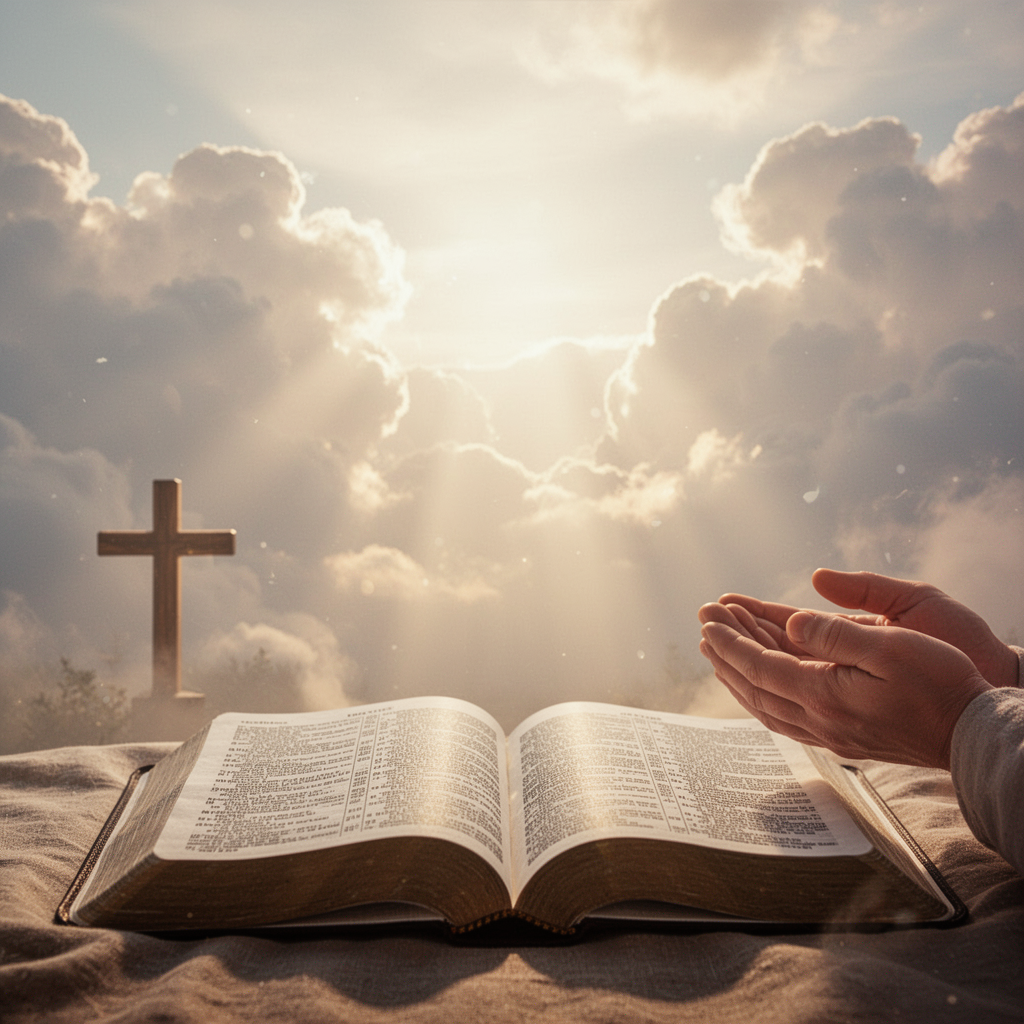
Post-traumatic stress disorder (PTSD) is often associated with combat veterans or dramatic headline events, but trauma can come from many sources—abuse, accidents, medical crises, natural disasters, sudden loss, or living through ongoing instability. PTSD is not a sign of weakness or a lack of faith. It is a real and complex response to experiences that overwhelmed a person’s ability to cope at the time. Understanding what PTSD is—and how hope can be nurtured through Scripture—can be a meaningful step toward healing.
What PTSD Is (and What It Isn’t)
PTSD is a pattern of symptoms that can develop after someone experiences or witnesses a traumatic event. Trauma impacts the brain and body. It can change the way a person interprets danger, remembers events, and responds to stress. Many people with PTSD desperately want to “move on,” but their nervous system keeps reacting as if the threat is still happening.
Common PTSD symptoms are often grouped into four areas:
Intrusion: unwanted memories, nightmares, flashbacks, distress when reminded of the event.
Avoidance: staying away from people, places, conversations, or feelings that bring up trauma reminders.
Negative mood and thinking changes: shame, numbness, depression, difficulty trusting, feeling detached, believing “I’m not safe” or “It was my fault.”
Arousal and reactivity: being on edge, startled easily, irritability, sleep difficulties, panic, concentration problems.
It’s important to say plainly: PTSD is not simply “overthinking,” being dramatic, or refusing to forgive. It’s the mind and body trying to protect you, even when the danger is past. For many, the symptoms were once survival strategies. Healing is often about gently teaching the body it is safe now, while rebuilding meaning, connection, and hope.
Why Trauma Can Shake Faith
Trauma often raises spiritual questions: Where was God? Why did this happen? Am I being punished? Why can’t I feel peace? Some people feel guilty for struggling, especially if they have heard messages that faith should erase fear. But Scripture is honest about suffering. The Bible does not portray God’s people as immune to terror, grief, or psychological pain. It portrays them as held by God in the middle of it.
Many psalms read like trauma narratives—fear, confusion, hypervigilance, and a longing for safety. The Bible gives language for distress without demanding that we pretend we are okay.
Finding Hope in Scripture Without Minimizing Pain
Christian hope is not denial; it’s a steady anchor. Scripture offers comfort that meets trauma realistically—acknowledging that we may feel shattered while reminding us we are not abandoned.
God is near to the brokenhearted.
“The LORD is near to the brokenhearted and saves the crushed in spirit” (Psalm 34:18).
PTSD can feel isolating—like no one understands your nervous system, your triggers, or your exhaustion. This verse doesn’t criticize brokenness; it names God’s proximity to it.You are not condemned for fear.
After trauma, fear responses can be intense and automatic. Yet Scripture consistently shows God meeting fearful people with compassion: “Do not fear” is often a comforting invitation, not a scolding. “When I am afraid, I put my trust in you” (Psalm 56:3) validates fear while pointing toward refuge.God provides strength for the day you’re in.
“My grace is sufficient for you, for my power is made perfect in weakness” (2 Corinthians 12:9).
PTSD recovery is rarely instant. Healing often comes in small steps: one therapy appointment, one honest conversation, one night of better sleep. Grace meets the process.Peace can be practiced, not forced.
Philippians 4:6–7 describes peace that “surpasses understanding.” For trauma survivors, peace may begin as moments—not constant calm. Scripture encourages bringing anxiety into God’s presence, again and again, without shame.God can restore what trauma stole.
“He heals the brokenhearted and binds up their wounds” (Psalm 147:3).
Healing doesn’t always mean forgetting. It can mean being able to remember without reliving, to feel without being flooded, and to live with greater freedom and connection.
Practical Ways to Pair Faith and Healing
PTSD often improves with evidence-based treatment—such as trauma-focused therapy (EMDR, CPT, prolonged exposure), somatic approaches, or counseling that addresses both mind and body. Faith can be a supportive companion to those tools.
Here are gentle practices that many find helpful:
Use Scripture as grounding, not pressure. Choose short verses you can repeat when triggered (Psalm 23:4; Isaiah 41:10). Let them be an anchor, not an evaluation of your faith.
Pray honestly. Trauma-informed prayer is not polished. It can sound like, “God, I feel unsafe. Help my body know You’re here.”
Engage community wisely. Safe, mature support—pastoral care, a trusted small group, a trauma-informed mentor—can reduce isolation.
Care for the body. Sleep, movement, hydration, and breathwork are not “unspiritual.” They help regulate the nervous system God created.
Seek help when you need it. If you’re experiencing thoughts of self-harm, overwhelming panic, or you feel unsafe, reach out immediately to a licensed professional or local emergency resources.
A Hope That Holds
PTSD can make life feel narrow—like your world is built around avoiding triggers and surviving the day. Scripture offers a larger story: you are seen, you are not disqualified by your pain, and healing is possible. God’s presence is not reserved for the strong; it is promised to the wounded. Step by step, with support, the intense symptoms can ease—and hope can become more than a concept. It can become a lived experience.
Ready to Take the Next Step?
If you’re looking for compassionate, faith-centered support as you navigate trauma and begin the healing process, an initial consultation can help you clarify what you’re experiencing and identify a plan forward.
Schedule your initial consultation by calling 443-860-6870 or book online here:
https://book.carepatron.com/Restoring-You-Christian-Counseling/Elisha?p=F869i2fsQCahi2s-K3afuw&s=6ZZMlbpB&i=XgXzcJJJ