
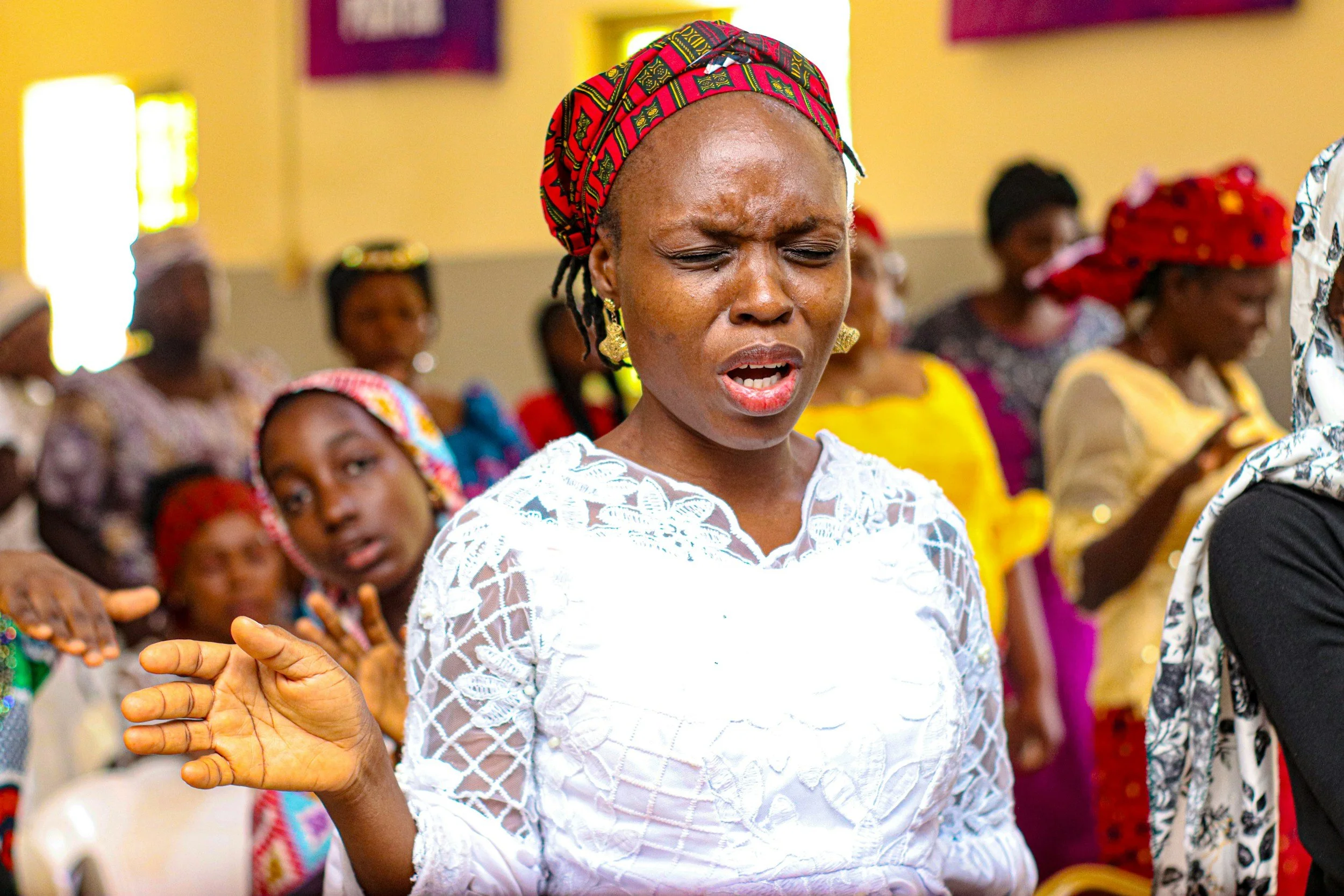
Every year on March 8th, International Women’s Day celebrates the strength, resilience, and achievements of women worldwide. It’s also a timely reminder to acknowledge the unique challenges many women face—including trauma—and to promote healing pathways that honor their experiences. Trauma, whether from domestic violence, loss, abuse, betrayal, or other life-altering events, can leave deep emotional wounds. Many women carry that weight quietly, showing up for everyone else while feeling depleted inside.
Healing is possible. And for many women, faith becomes more than a comfort—it becomes a steady foundation for recovery.
This blog explores faith-based strategies for trauma recovery: approaches that integrate spiritual beliefs and practices to support women’s healing journeys. These strategies nurture the mind and body while strengthening the soul—offering a holistic path forward marked by hope, dignity, and restoration.
Understanding Trauma and the Need for Holistic Healing
Trauma can disrupt a woman’s sense of safety and stability, shaping the way she sees herself, others, and the world. It may show up as anxiety, depression, panic, emotional numbness, flashbacks, difficulty sleeping, hypervigilance, or a constant feeling of being “on edge.” Trauma also impacts relationships, parenting, work, and self-esteem—especially when women have been conditioned to minimize their needs or “be strong” at all costs.
Recovery is not about “getting over it.” It’s about gently reclaiming what trauma tried to steal: peace, trust, joy, identity, and a sense of control. Faith-based strategies can support that process by offering:
A framework of meaning when life feels confusing or unfair
A sense of belonging and support through spiritual community
Practices that strengthen resilience and emotional regulation
Reminders of identity and worth rooted in something deeper than pain
Key Faith-Based Strategies for Trauma Recovery
1. Prayer and Meditation to Calm the Nervous System
Prayer creates space to bring honest pain, fear, and exhaustion before God—without pretending. For women recovering from trauma, prayer can become a sacred “release valve,” helping them exhale what they’ve been holding in for too long. Faith-centered meditation or contemplative practices (such as sitting quietly with a short scripture, breath prayer, or reflective worship) can also help regulate the body’s stress response.
How it helps: These practices foster grounding, reduce anxiety, and rebuild a sense of internal safety—one breath and one moment at a time.
2. Scripture and Sacred Texts for Comfort and Truth
Trauma often distorts identity: It was my fault. I’m not safe. I’m not worthy. Reading and reflecting on scripture or sacred texts can gently challenge those trauma-based beliefs by reminding women of compassion, protection, justice, and restoration.
How it helps: Sacred texts offer language for suffering and hope, validating pain while pointing toward healing and renewal.
3. Faith Communities and Support for Breaking Isolation
One of trauma’s most destructive effects is isolation. Women may feel ashamed, misunderstood, or afraid of being judged. A healthy faith community—one that is emotionally safe, trauma-informed, and compassionate—can help rebuild trust and connection. Faith-based women’s groups and support circles can also provide targeted encouragement and understanding.
How it helps: Healing accelerates in safe relationships. Community provides empathy, prayer support, resources, and reminders that she is not alone.
4. Rituals and Symbolic Acts for Processing Grief and Change
Trauma can leave emotions “stuck.” Rituals—such as lighting a candle, journaling a prayer, anointing with oil, taking communion, or creating a personal moment of surrender—can help externalize pain and mark movement toward healing. Symbols of faith (a cross, a verse card, prayer beads, worship music) can act as anchors during anxiety or flashbacks.
How it helps: Rituals bring structure and meaning to what feels chaotic, helping women name loss and move toward restoration.
5. Forgiveness and Compassion Practices (With Wisdom and Boundaries)
Forgiveness is often misunderstood, especially in trauma recovery. Forgiveness does not mean excusing harm, denying justice, or staying in unsafe relationships. Rather, faith-based recovery can invite women to release corrosive bitterness over time, while still honoring boundaries and accountability. Self-forgiveness is equally important, particularly for women who carry misplaced guilt or shame.
How it helps: Compassion practices reduce shame and open space for peace, helping women reclaim agency and emotional freedom.
Integrating Faith and Professional Trauma Care
Faith can be a cornerstone of healing, but trauma recovery often benefits from professional support as well. Working with a trauma-informed counselor who respects your spiritual beliefs can help you process painful memories safely, develop coping skills, and rebuild healthy thought patterns—without abandoning the spiritual values that matter to you.
Professional trauma care may include approaches such as:
Trauma-informed talk therapy
Cognitive and somatic coping tools for anxiety and triggers
Faith-integrated counseling that supports spiritual resilience
Support for grief, boundaries, and healthy relationship rebuilding
Seeking help is not weakness—it’s wisdom. You deserve support that honors the whole you.
Take the Next Step Toward Healing
If you are ready to begin the journey toward recovery and renewal—or if you want support walking through the next step—help is available. You don’t have to carry this alone.
Schedule your initial consultation with Restoring You Christian Counseling:
Call: 443-860-6870
Book online: https://book.carepatron.com/Restoring-You-Christian-Counseling/Elisha?p=F869i2fsQCahi2s-K3afuw&s=6ZZMlbpB&i=XgXzcJJJ
This International Women’s Day, consider giving yourself a meaningful gift: compassionate, faith-centered care that honors your story and supports your healing.
Celebrating Women’s Resilience on International Women’s Day
On March 8th, we celebrate women who lead, nurture, build, create, and persevere. We also honor women healing quietly—those rebuilding after heartbreak, those learning to trust again, those reclaiming their voices, and those choosing hope after harm.
If trauma has shaped your story, it does not have to define your future. With time, support, and faith-rooted healing practices, restoration is possible—step by step, day by day.
If you found this blog helpful, share it with a woman who may need encouragement today.